


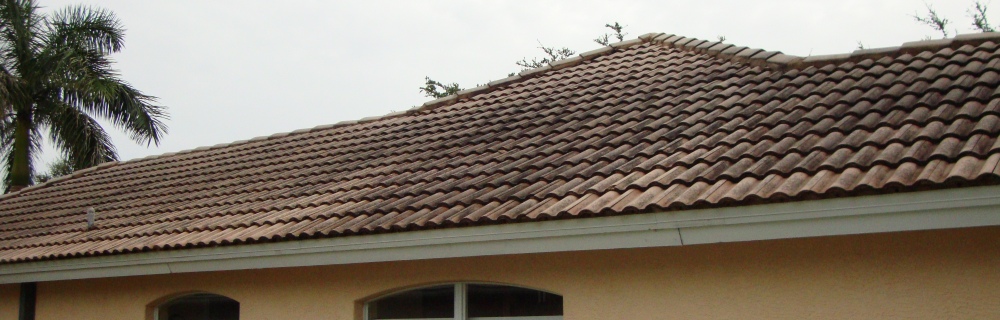
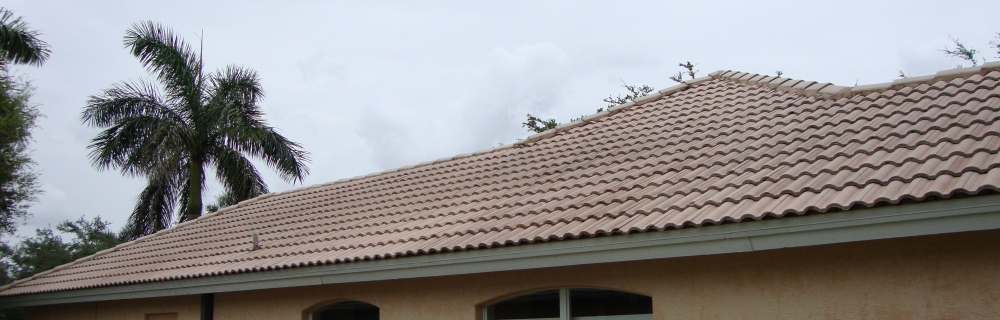


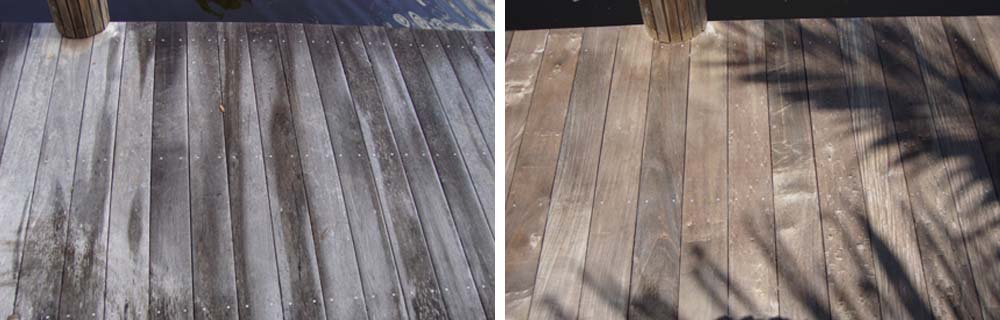


Maintaining the appearance and structural integrity of exterior surfaces is a critical aspect of property care. Over time, materials such as limestone, brick, and concrete are exposed to dirt, mold, algae, oil stains, and environmental pollutants that degrade both their aesthetics and durability. How Professional Pressure Cleaning Restores Limestone, Brick, and Concrete Surfaces reveals the importance of using specialized techniques, proper equipment, and industry expertise to achieve effective and safe results, especially when delivered through a reliable commercial pressure cleaning service for both residential and business properties.
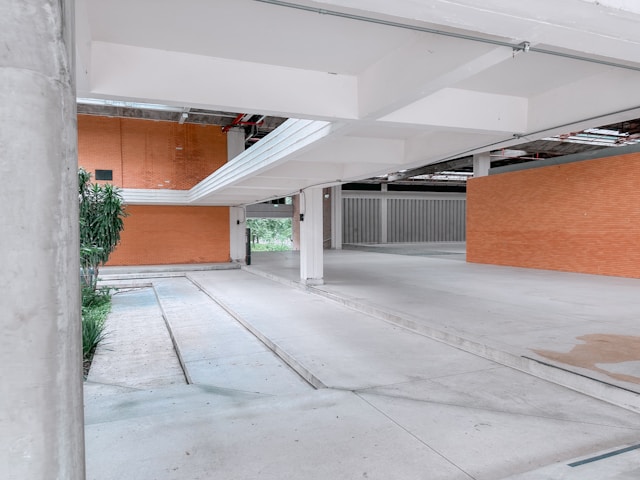
Professional pressure cleaning is not a one-size-fits-all solution. Each material requires a tailored approach, and improper methods can cause irreversible damage. By understanding the principles of surface restoration, material-specific care, and advanced cleaning techniques, professionals can restore surfaces while preserving their longevity.
The Importance of Surface Restoration
Surface restoration goes beyond simple cleaning—it involves returning a surface to its original condition while protecting it from future damage. For property owners, this process plays a significant role in maintaining value, safety, and curb appeal.
Exterior surfaces are constantly exposed to:
- Weather elements such as rain, humidity, and UV rays
- Organic growth like mold, mildew, and algae
- Oil, rust, and chemical stains
- Dirt and debris buildup
Without proper maintenance, these factors can lead to discoloration, structural weakening, and costly repairs. Professional pressure cleaning addresses these issues effectively by removing contaminants and restoring the surface’s appearance.
Understanding Different Surface Materials
A key factor in How Professional Pressure Cleaning Restores Limestone, Brick, and Concrete Surfaces is recognizing that each material has unique characteristics and vulnerabilities.
Limestone Cleaning
Limestone is a natural stone known for its elegance and durability, but it is also highly porous and sensitive to pressure. Improper cleaning methods can lead to etching, discoloration, or permanent surface damage.
Professional limestone cleaning typically involves:
- Low-pressure (soft washing) techniques
- pH-balanced, non-acidic cleaning solutions
- Careful rinsing to prevent residue buildup
Because limestone absorbs moisture easily, using the wrong chemicals or excessive pressure can compromise its integrity. This makes expertise essential when working with this material.
Brick & Masonry Care
Brick and masonry surfaces are more durable than limestone but still require careful handling. Over time, these surfaces accumulate dirt, moss, and efflorescence (white mineral deposits).
Effective brick & masonry care includes:
- Moderate pressure cleaning to remove buildup
- Specialized cleaning agents for stains and mineral deposits
- Attention to mortar joints to prevent damage
Improper cleaning can weaken mortar or cause water infiltration, leading to long-term structural issues.
Concrete Stain Removal
Concrete is one of the most resilient materials, but it is also prone to deep staining from oil, grease, rust, and organic matter.
Concrete stain removal often requires:
- Higher pressure levels compared to other materials
- Degreasers and specialized cleaning products
- Surface agitation for stubborn stains
Products like F9 Groundskeeper are commonly used to tackle tough stains while maintaining surface integrity.
Pressure vs Soft Washing: Choosing the Right Method
One of the most important decisions in surface restoration is selecting between pressure vs soft washing.
Pressure Washing
Pressure washing uses high-pressure water to remove dirt and debris. It is ideal for durable surfaces like concrete but can be too aggressive for delicate materials.
Soft Washing
Soft washing relies on low pressure combined with cleaning solutions to safely remove contaminants. It is particularly effective for:
- Limestone
- Roofs
- Painted surfaces
- Stucco
Material Type → Determines Cleaning Method → Impacts Longevity
Choosing the correct method ensures that surfaces are cleaned effectively without causing damage. This decision is a key indicator of professional expertise.
The Role of Expertise in Preventing Damage
One of the biggest risks in pressure cleaning is using incorrect techniques. Inexperienced operators may apply too much pressure or use inappropriate chemicals, leading to:
- Surface etching
- Cracking or chipping
- Discoloration
- Structural weakening
Professional cleaners are trained to assess each surface and determine the appropriate approach. They follow industry standards, such as those outlined by the Power Washers of North America (PWNA), to ensure safe and effective results.
Enhancing Property Value Through Restoration
A major benefit of How Professional Pressure Cleaning Restores Limestone, Brick, and Concrete Surfaces is its impact on property value.
Proper Restoration → Enhances Property Value → Attracts Buyers/Tenants
Clean, well-maintained surfaces create a positive first impression and signal that the property has been cared for. This is especially important for:
- Residential homes
- Commercial properties
- Rental units
Potential buyers and tenants are more likely to be attracted to properties that look clean and well-maintained.
Boosting Curb Appeal with Deep Stain Removal
Curb appeal plays a crucial role in property perception. Stains, discoloration, and buildup can make even well-constructed properties appear neglected.
Deep Stain Removal → Improves Aesthetics → Boosts Curb Appeal
Professional pressure cleaning removes these imperfections, restoring surfaces to their original appearance. This transformation can significantly enhance the overall look of a property.
Before-and-after results often demonstrate dramatic improvements, making this service a valuable investment for property owners.
Segmenting Services by Surface Type
One of the best practices in professional pressure cleaning is segmenting services based on surface type. This ensures that each material receives the appropriate treatment.
For example:
- Limestone: Soft washing with gentle solutions
- Brick: Moderate pressure with targeted cleaning agents
- Concrete: High-pressure cleaning with degreasers
By tailoring services to each material, professionals can achieve optimal results while minimizing risk.
Showcasing Case Studies of Difficult Restorations
Case studies are an effective way to demonstrate expertise and build trust. By showcasing challenging restoration projects, professionals can highlight their ability to handle complex situations.
Examples of case studies may include:
- Removing years of oil stains from a concrete driveway
- Restoring heavily weathered limestone surfaces
- Cleaning brick facades with significant mold and efflorescence
These examples provide tangible proof of skill and effectiveness.
Equipment and Tools for Professional Cleaning
High-quality equipment is essential for achieving consistent results. Tools like Simpson Pressure Washers offer reliability and performance for various cleaning tasks.
In addition to equipment, professionals use:
- Specialized nozzles for different pressure levels
- Surface cleaners for even coverage
- Eco-friendly cleaning solutions
Using the right tools ensures efficiency and reduces the risk of damage.
Following Industry Standards and Guidelines
Adhering to industry standards is a hallmark of professional service. Organizations like the PWNA provide guidelines for safe and effective cleaning practices.
These standards cover:
- Proper pressure levels for different surfaces
- Safe handling of cleaning chemicals
- Environmental considerations
Following these guidelines helps maintain quality and ensures compliance with best practices.
Long-Term Benefits of Professional Pressure Cleaning
Investing in professional pressure cleaning offers several long-term benefits:
- Extended lifespan of surfaces
- Reduced need for repairs
- Improved safety by removing slippery substances
- Enhanced property value and appearance
Regular maintenance prevents buildup and keeps surfaces in optimal condition.
Why Professional Services Matter
While DIY pressure cleaning may seem cost-effective, it often lacks the precision and expertise required for proper restoration. Without the right knowledge, homeowners risk damaging their surfaces and incurring additional costs.
Professional services provide:
- Expertise in material-specific cleaning
- Access to advanced equipment and products
- Assurance of safe and effective results
This makes professional pressure cleaning a worthwhile investment.
Conclusion
How Professional Pressure Cleaning Restores Limestone, Brick, and Concrete Surfaces underscores the importance of expertise, proper techniques, and material-specific approaches in surface restoration. By understanding the unique characteristics of each material and applying the appropriate cleaning methods, professionals can achieve outstanding results without compromising structural integrity.
From limestone cleaning and brick & masonry care to concrete stain removal, every aspect of the process requires precision and attention to detail. The choice between pressure vs soft washing plays a critical role in ensuring both effectiveness and safety.
Ultimately, professional pressure cleaning enhances property value, improves curb appeal, and extends the lifespan of exterior surfaces. In a world where appearance and maintenance matter, investing in expert restoration services is a smart and practical decision.
