


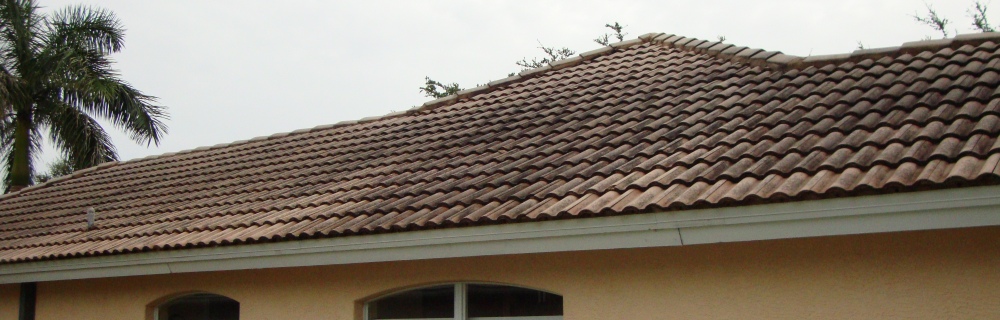
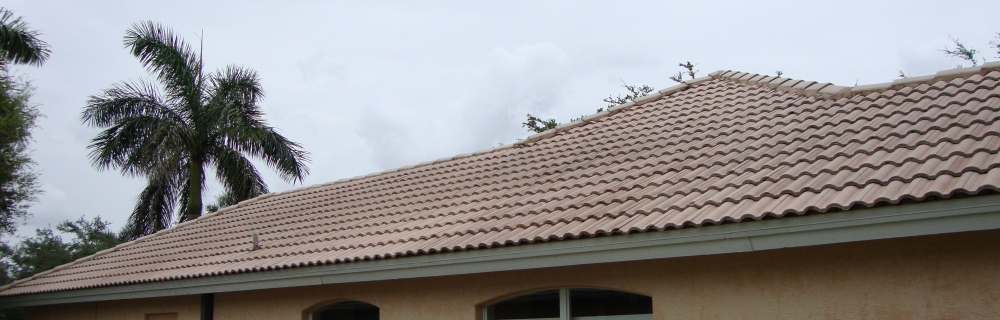


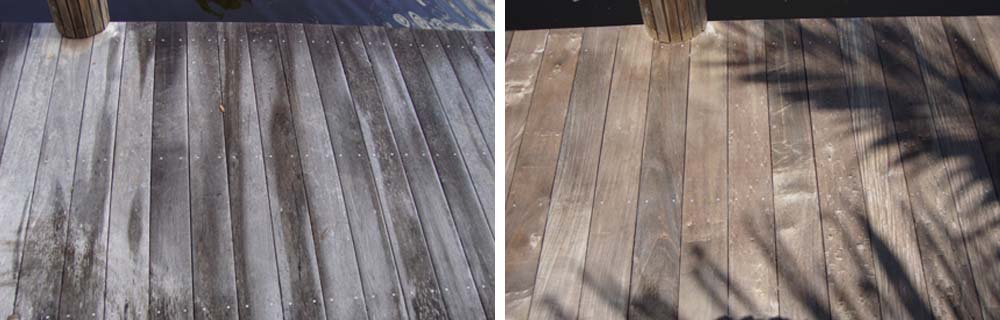


Wood decks and fences are essential features for many homes and commercial properties in Naples, Florida. They provide aesthetic appeal, functional outdoor space, and increased property value. However, Florida’s humid, coastal climate can be harsh on wood surfaces. Constant exposure to moisture, UV rays, mold, mildew, and salt air accelerates deterioration, leaving decks and fences looking aged, discolored, and structurally compromised.
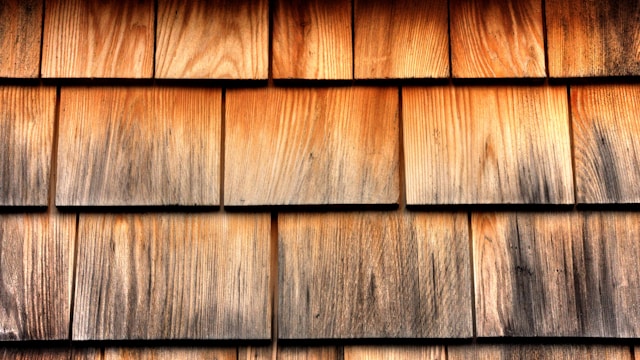
Restoring wood surfaces is not just about improving appearance—it’s about preserving durability, preventing costly replacements, and maintaining a safe outdoor environment. With the right techniques, tools, and maintenance strategy, you can bring your wood structures back to life and extend their lifespan significantly.
Understanding Wood Deterioration in Naples’ Climate
Naples presents a unique set of environmental challenges that directly impact wood surfaces:
1. High Humidity and Moisture
Florida’s humidity creates the perfect conditions for mold, mildew, and algae growth. These organisms penetrate wood fibers, causing discoloration and gradual decay.
2. Intense UV Exposure
Constant sunlight breaks down the wood’s natural lignin, leading to:
- Fading and graying
- Surface cracking
- Reduced structural integrity
3. Salt Air and Coastal Effects
Properties near the coast are exposed to salt particles, which:
- Accelerate corrosion of fasteners
- Dry out wood unevenly
- Contribute to surface degradation
4. Organic Debris Build-Up
Leaves, dirt, and pollen trap moisture against wood surfaces, speeding up rot and staining.
Key Signs Your Deck or Fence Needs Restoration
Recognizing early warning signs can help prevent expensive repairs:
- Gray, weathered appearance
- Visible mold, mildew, or algae growth
- Splintering or rough texture
- Warping or cracking boards
- Fading or peeling stain/sealant
- Soft spots indicating moisture damage
If these issues are ignored, the damage can become structural rather than cosmetic.
The Wood Restoration Process: Step-by-Step
Professional wood restoration involves more than simple cleaning. It is a multi-stage process designed to clean, repair, and protect.
Step 1: Inspection and Assessment
Before any work begins, evaluate:
- Type of wood (pressure-treated, cedar, redwood, etc.)
- Level of damage
- Presence of mold or deep stains
- Structural concerns
Step 2: Deep Cleaning (Low Pressure Recommended)
Using low-pressure cleaning methods is critical. High pressure can:
- Damage wood fibers
- Cause splintering
- Shorten the lifespan of the surface
Eco-friendly cleaning solutions are applied to:
- Kill mold and mildew at the root
- Lift embedded dirt and stains
- Restore natural wood tone
Step 3: Stain and Contaminant Removal
Specialized treatments remove:
- Water stains
- Tannin bleed
- Algae discoloration
This step ensures an even surface for finishing.
Step 4: Sanding and Surface Preparation
Light sanding may be necessary to:
- Smooth rough areas
- Remove splinters
- Open wood pores for better absorption
Step 5: Sealing or Staining
Protective finishes are applied to:
- Block moisture penetration
- Prevent UV damage
- Enhance color and grain
Options include:
- Transparent sealers
- Semi-transparent stains
- Solid-color finishes
Comparison of Wood Restoration Methods
| Method | Effectiveness | Risk Level | Best For | Notes |
|---|---|---|---|---|
| High-Pressure Washing | Medium | High | Concrete (not wood) | Can damage wood fibers |
| Low-Pressure Cleaning | High | Low | Decks, fences, soft wood surfaces | Recommended professional method |
| Chemical Cleaning Only | Medium | Low | Light dirt and stains | May require follow-up |
| Sanding Only | Low | Medium | Surface smoothing | Does not remove deep contaminants |
| Full Restoration Process | Very High | Low | Heavily weathered wood | Best long-term results |
Why Low-Pressure (LVLP) Cleaning Is the Best Choice
Modern wood restoration emphasizes Low Volume Low Pressure (LVLP) cleaning systems. This method is especially effective in Naples due to environmental sensitivity.
Benefits of LVLP Technology
- Safe for delicate wood surfaces
- Prevents splintering and fiber damage
- Uses biodegradable, non-toxic solutions
- Safe around pets, plants, and pools
- Effectively removes deep stains and organic growth
Unlike traditional pressure washing, LVLP focuses on cleaning with chemistry rather than force, ensuring long-lasting results without surface damage.
Wood Types and Restoration Considerations
Different wood types require slightly different approaches:
Pressure-Treated Wood
- Common in decks
- Durable but prone to surface cracking
- Benefits from regular sealing
Cedar and Redwood
- Naturally resistant to insects and decay
- Require gentle cleaning to preserve natural oils
Exotic Hardwoods (Ipe, Teak)
- Dense and durable
- Require specialized cleaners and oils
Understanding your wood type ensures the correct restoration strategy is applied.
DIY vs Professional Wood Restoration
DIY Approach
Pros:
- Lower upfront cost
- Flexible scheduling
Cons:
- Risk of over-pressurizing surfaces
- Inconsistent results
- Limited access to professional-grade solutions
Professional Service
Pros:
- Expertise in wood care and restoration
- Proper equipment and eco-friendly chemicals
- Long-lasting, uniform results
- Time-saving and efficient
Cons:
- Higher initial investment
For heavily weathered decks and fences in Naples, professional restoration often delivers better long-term value.
Maintenance Tips to Extend Wood Life
Once your deck or fence has been restored, maintenance becomes essential.
नियमित Maintenance Routine
- Clean surfaces every 6–12 months
- Remove debris regularly
- Inspect for mold or discoloration
- Reapply sealant every 2–3 years
Preventive Measures
- Trim nearby vegetation to reduce moisture
- Ensure proper drainage around structures
- Use outdoor furniture pads to prevent scratches
Consistent care significantly reduces the need for major restoration work.
Common Mistakes to Avoid
Avoid these errors to protect your investment:
- Using high-pressure washing on wood
- Skipping sealing after cleaning
- Ignoring early signs of mold or damage
- Using harsh, non-eco-friendly chemicals
- Applying stain on damp or unprepared surfaces
These mistakes can shorten the lifespan of your deck or fence and increase repair costs.
Environmental Considerations in Naples
Eco-conscious restoration is especially important in Florida due to:
- Proximity to waterways
- Sensitive ecosystems
- Local regulations on chemical use
Using biodegradable, non-toxic cleaning solutions ensures:
- Safety for surrounding plants and wildlife
- Compliance with environmental standards
- Healthier living spaces for residents
When to Schedule Wood Restoration
Timing plays a crucial role in effectiveness:
Best Times in Naples
- Late fall to early spring (lower humidity)
- Dry weather conditions for sealing and staining
Avoid
- Rainy season (poor absorption and drying)
- Extremely hot days (can cause uneven finishes)
Final Thoughts
Restoring wood decks and fences in Naples, FL is both an art and a science. The region’s climate demands a thoughtful approach that balances effective cleaning, surface protection, and environmental responsibility. By using modern techniques like low-pressure cleaning and eco-friendly solutions, property owners can preserve the beauty and integrity of their outdoor spaces for years to come.
Whether you choose a DIY route or hire professionals, the key is consistency, proper technique, and preventive care. With the right strategy, even heavily weathered wood can be transformed into a like-new condition—enhancing both the appearance and value of your property.
