






In Florida’s warm and humid climate, maintaining a healthy indoor environment is an ongoing challenge for homeowners, business owners, property managers, and facility operators. Excess moisture, water intrusion, flooding events, and inadequate ventilation can create the perfect conditions for mold growth, mildew development, bacterial contamination, and persistent odors. These issues not only affect the appearance and condition of a property but can also impact indoor air quality, occupant comfort, and overall health and safety.

As a result, Mold Remediation & Odor Elimination Services: Creating Healthier Residential and Commercial Environments has become an essential component of property maintenance and environmental management throughout Southwest Florida. Professional mold remediation and odor elimination services help identify contamination sources, remove harmful biological growth, improve air quality, and restore healthier living and working spaces.
Whether in residential homes, office buildings, retail centers, healthcare facilities, hospitality properties, or multifamily housing communities, proactive mold remediation and odor control play a critical role in protecting property value and ensuring occupant well-being.
Understanding Mold Problems in Florida
Florida’s subtropical climate creates ideal conditions for mold growth. High humidity levels, frequent rainfall, tropical storms, and seasonal flooding contribute to moisture accumulation both inside and outside buildings. When moisture remains trapped in walls, ceilings, flooring, crawl spaces, attics, or exterior surfaces, mold can begin to develop within as little as 24 to 48 hours.
Mold is a naturally occurring fungus that reproduces through microscopic spores. These spores are present in virtually every environment, but they become problematic when they find suitable conditions for growth. Moisture, warmth, and organic materials such as wood, drywall, insulation, carpeting, and dust provide the nutrients mold needs to thrive.
Southwest Florida properties are particularly vulnerable due to year-round humidity and periodic severe weather events. Homes and commercial buildings that experience water damage, roof leaks, plumbing failures, or inadequate ventilation often face elevated mold risks.
Without timely intervention, mold colonies can spread rapidly, affecting larger areas of the property and potentially leading to extensive restoration needs.
Common Causes of Mold Growth
Understanding the root causes of mold development is the first step in preventing contamination and maintaining a healthy indoor environment.
Excess Moisture
Excess moisture is the most significant factor contributing to mold growth. Moisture can originate from condensation, leaks, flooding, poor drainage, or high indoor humidity levels. Even small amounts of trapped moisture can create favorable conditions for mold colonization.
Roof Leaks
Roof leaks are among the most common sources of hidden moisture. Water entering through damaged roofing materials can infiltrate ceilings, insulation, and wall cavities, creating ideal conditions for fungal growth.
Because roof leaks are not always immediately visible, mold may develop unnoticed for extended periods before signs become apparent.
Poor Ventilation
Inadequate airflow allows moisture to accumulate indoors. Bathrooms, kitchens, laundry rooms, storage areas, and commercial utility spaces often experience elevated humidity levels if ventilation systems are insufficient.
Proper ventilation helps regulate moisture levels and reduce the risk of mold development.
Water Intrusion
Water intrusion can occur through damaged windows, doors, foundations, exterior walls, or plumbing systems. Once water enters a structure, it can become trapped within building materials and promote mold growth.
High Humidity Levels
Florida’s naturally high humidity can create indoor moisture problems even when no leaks are present. Air conditioning systems, dehumidification equipment, and proper building design play important roles in controlling indoor humidity.
Flooding Events
Hurricanes, tropical storms, storm surges, and heavy rainfall events frequently impact Florida communities. Floodwater introduces significant moisture and contaminants into buildings, increasing the likelihood of mold growth if drying and remediation efforts are delayed.
The Relationship Between Mold and Indoor Air Quality
Indoor air quality is a major concern for residential and commercial property owners. Mold growth can significantly affect air quality by releasing spores, microbial particles, and organic compounds into the air.
Poor indoor air quality may contribute to discomfort and create an unpleasant indoor environment. Occupants may notice musty odors, increased dust accumulation, or general feelings of poor air freshness.
For businesses, maintaining high indoor air quality is particularly important. Employees, customers, tenants, and visitors expect clean and comfortable indoor environments. Addressing mold issues helps support occupant satisfaction and demonstrates a commitment to health and safety.
Improving indoor air quality often requires a combination of mold remediation, moisture control, air purification, ventilation improvements, and environmental cleaning practices.
Why Odor Elimination Matters
Persistent odors are often more than a nuisance. In many cases, unpleasant smells serve as warning signs of underlying environmental issues that require professional attention.
Musty, damp, or stale odors commonly indicate the presence of mold colonies, moisture damage, organic buildup, or bacterial contamination. Even when visible mold is not apparent, odors may reveal hidden contamination behind walls, beneath flooring, within ductwork, or inside building cavities.
Ignoring persistent odors can allow problems to worsen over time. Effective odor elimination requires identifying and addressing the root cause rather than simply masking odors with fragrances or temporary solutions.
Professional odor elimination services target the source of contamination and restore a fresher, cleaner indoor environment.
Common Sources of Persistent Odors
Several factors can contribute to recurring indoor odors.
Mold Colonies
Mold produces microbial volatile organic compounds (MVOCs) that create the characteristic musty smell associated with mold contamination. Eliminating mold growth is often necessary to fully remove these odors.
Moisture Damage
Water-damaged materials can develop unpleasant smells as moisture promotes microbial activity and material degradation.
Organic Buildup
Accumulations of dirt, dust, debris, and organic matter can contribute to odor problems over time. Environmental cleaning helps remove these contaminants and improve indoor freshness.
Bacterial Contamination
Bacteria can develop in damp environments and generate unpleasant odors. Professional sanitization and cleaning services help address bacterial growth and restore cleanliness.
The Mold Remediation Process
Professional mold remediation involves more than simply cleaning visible mold. Effective remediation focuses on identifying contamination sources, correcting moisture problems, removing affected materials when necessary, and preventing future growth.
The process typically begins with a thorough inspection to identify affected areas and determine the extent of contamination. Moisture sources are evaluated to understand why mold developed in the first place.
Once the underlying causes have been identified, remediation professionals implement targeted treatment strategies designed to safely remove contamination and restore the environment.
Depending on the severity of the issue, remediation may include:
- Mold removal from affected surfaces
- Mildew treatment
- Surface sanitization
- Environmental cleaning
- Moisture control measures
- Air purification services
- Odor elimination treatments
- Property restoration activities
By addressing both the contamination and its underlying causes, professional remediation helps reduce the likelihood of recurring mold issues.
The Importance of Moisture Control
Moisture control is one of the most important aspects of long-term mold prevention. Without addressing excess moisture, mold can quickly return even after successful remediation.
Effective moisture control strategies may include:
- Repairing roof leaks
- Correcting plumbing leaks
- Improving drainage systems
- Enhancing building ventilation
- Installing dehumidification equipment
- Managing indoor humidity levels
- Sealing building envelope penetrations
These measures help create an environment that is less conducive to mold growth and microbial activity.
Benefits of Professional Mold Remediation and Odor Elimination
Investing in professional remediation services offers numerous benefits for both residential and commercial property owners.
Improved Indoor Air Quality
Removing mold, mildew, bacteria, and environmental contaminants contributes to cleaner indoor air and a more comfortable environment.
Reduced Health Risks
Professional remediation helps minimize exposure to mold-related contaminants and supports healthier indoor conditions for occupants.
Prevention of Recurring Mold Problems
Addressing moisture sources and implementing preventive measures reduces the likelihood of future mold growth.
Better Occupant Comfort
Clean, odor-free environments are more pleasant for residents, employees, customers, and visitors.
Property Preservation
Mold growth and moisture damage can accelerate material deterioration. Remediation helps protect building components and preserve property value.
Enhanced Workplace Safety
Commercial properties benefit from improved environmental conditions that support employee productivity, customer satisfaction, and health and safety compliance initiatives.
Environmental Cleaning and Surface Sanitization
Environmental cleaning plays a critical role in mold remediation and odor elimination. Beyond removing visible contamination, environmental cleaning targets dust, allergens, bacteria, and organic residues that can contribute to indoor air quality concerns.
Surface sanitization helps eliminate microbial contaminants from affected areas while supporting cleaner and healthier environments. Combined with air purification and moisture control measures, environmental cleaning provides a comprehensive approach to property restoration.
Air Purification and Allergen Reduction
Air purification systems can help improve indoor air quality by capturing airborne particles, allergens, mold spores, and contaminants.
Allergen reduction is especially valuable in residential settings, healthcare facilities, schools, hospitality properties, and workplaces where indoor environmental quality directly impacts occupant comfort.
When integrated with mold remediation efforts, air purification technologies contribute to cleaner and healthier indoor spaces.
How Pelican Pressure Cleaning Helps
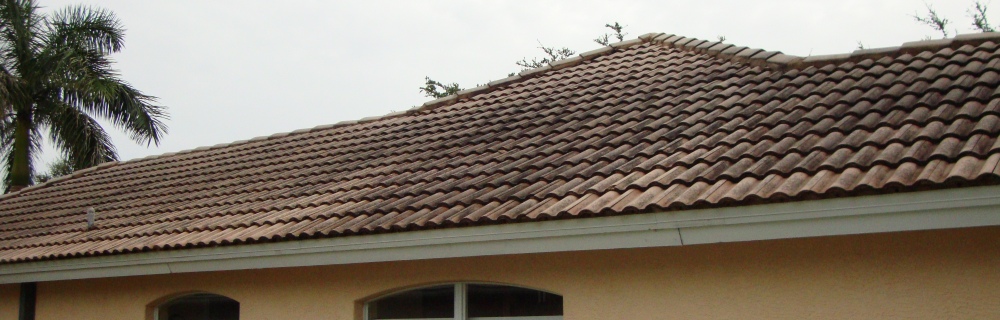
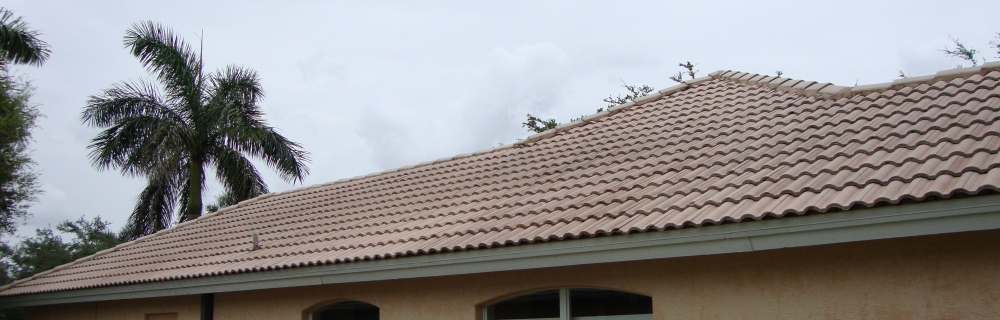
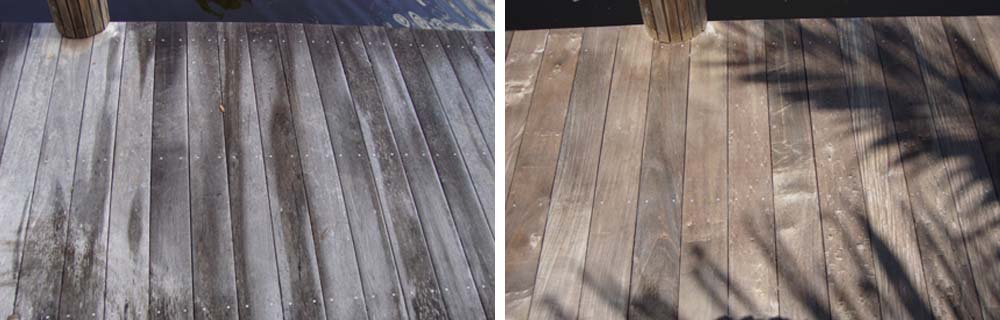
Pelican Pressure Cleaning provides professional mold remediation solutions, exterior mold removal services, odor elimination treatments, environmental cleaning, and property restoration support throughout Naples and Southwest Florida.
The company utilizes environmentally conscious treatment methods designed to effectively address mold contamination while minimizing environmental impact. Their services focus on identifying contamination sources, restoring affected surfaces, and helping property owners maintain healthier environments.
Pelican Pressure Cleaning specializes in:
- Mold remediation solutions
- Mold removal services
- Exterior mold treatment
- Odor elimination services
- Environmental cleaning
- Surface restoration
- Surface sanitization
- Moisture-related contamination treatment
- Property preservation support
Through a combination of expertise, advanced equipment, and proven remediation techniques, the company helps residential and commercial clients address mold and odor issues efficiently and responsibly.
Industry Resources and Standards
Several respected organizations provide guidance and best practices for mold remediation, indoor air quality, and environmental health.
The Environmental Protection Agency (EPA) offers extensive educational resources regarding mold prevention, remediation, and moisture management.
The Indoor Air Quality Association (IAQA) promotes professional standards and education related to indoor environmental quality.
The Institute of Inspection Cleaning and Restoration Certification (IICRC) establishes industry-recognized standards for restoration and remediation services.
The American Industrial Hygiene Association (AIHA) provides scientific and technical resources related to environmental health and workplace safety.
The Florida Department of Health also offers information and guidance regarding mold concerns specific to Florida’s climate and environmental conditions.
Conclusion
Mold Remediation & Odor Elimination Services: Creating Healthier Residential and Commercial Environments is an essential investment for property owners throughout Southwest Florida. The region’s humidity, frequent rainfall, and moisture-related challenges create ideal conditions for mold growth, bacterial contamination, and persistent odor problems.
Professional remediation services address these concerns by removing mold, improving indoor air quality, controlling moisture, eliminating odors, reducing allergens, and restoring affected properties. These efforts not only improve occupant comfort but also help preserve building materials, protect property value, and support long-term environmental health.
Pelican Pressure Cleaning provides comprehensive mold remediation, odor elimination, environmental cleaning, and property restoration services designed to help homeowners and businesses maintain cleaner, healthier, and safer environments. Through proactive remediation and preventative maintenance strategies, property owners can reduce future risks and create indoor spaces that support both comfort and well-being for years to come.
Roof Leaks
Roof leaks are among the most common sources of hidden moisture. Water entering through damaged roofing materials can infiltrate ceilings, insulation, and wall cavities, creating ideal conditions for fungal growth.
Because roof leaks are not always immediately visible, mold may develop unnoticed for extended periods before signs become apparent.
Poor Ventilation
Inadequate airflow allows moisture to accumulate indoors. Bathrooms, kitchens, laundry rooms, storage areas, and commercial utility spaces often experience elevated humidity levels if ventilation systems are insufficient.
Proper ventilation helps regulate moisture levels and reduce the risk of mold development.
Water Intrusion
Water intrusion can occur through damaged windows, doors, foundations, exterior walls, or plumbing systems. Once water enters a structure, it can become trapped within building materials and promote mold growth.
High Humidity Levels
Florida’s naturally high humidity can create indoor moisture problems even when no leaks are present. Air conditioning systems, dehumidification equipment, and proper building design play important roles in controlling indoor humidity.
Flooding Events
Hurricanes, tropical storms, storm surges, and heavy rainfall events frequently impact Florida communities. Floodwater introduces significant moisture and contaminants into buildings, increasing the likelihood of mold growth if drying and remediation efforts are delayed.
The Relationship Between Mold and Indoor Air Quality
Indoor air quality is a major concern for residential and commercial property owners. Mold growth can significantly affect air quality by releasing spores, microbial particles, and organic compounds into the air.
Poor indoor air quality may contribute to discomfort and create an unpleasant indoor environment. Occupants may notice musty odors, increased dust accumulation, or general feelings of poor air freshness.
For businesses, maintaining high indoor air quality is particularly important. Employees, customers, tenants, and visitors expect clean and comfortable indoor environments. Addressing mold issues helps support occupant satisfaction and demonstrates a commitment to health and safety.
Improving indoor air quality often requires a combination of mold remediation, moisture control, air purification, ventilation improvements, and environmental cleaning practices.
Why Odor Elimination Matters
Persistent odors are often more than a nuisance. In many cases, unpleasant smells serve as warning signs of underlying environmental issues that require professional attention.
Musty, damp, or stale odors commonly indicate the presence of mold colonies, moisture damage, organic buildup, or bacterial contamination. Even when visible mold is not apparent, odors may reveal hidden contamination behind walls, beneath flooring, within ductwork, or inside building cavities.
Ignoring persistent odors can allow problems to worsen over time. Effective odor elimination requires identifying and addressing the root cause rather than simply masking odors with fragrances or temporary solutions.
Professional odor elimination services target the source of contamination and restore a fresher, cleaner indoor environment.
Common Sources of Persistent Odors
Several factors can contribute to recurring indoor odors.
Mold Colonies
Mold produces microbial volatile organic compounds (MVOCs) that create the characteristic musty smell associated with mold contamination. Eliminating mold growth is often necessary to fully remove these odors.
Moisture Damage
Water-damaged materials can develop unpleasant smells as moisture promotes microbial activity and material degradation.
Organic Buildup
Accumulations of dirt, dust, debris, and organic matter can contribute to odor problems over time. Environmental cleaning helps remove these contaminants and improve indoor freshness.
Bacterial Contamination
Bacteria can develop in damp environments and generate unpleasant odors. Professional sanitization and cleaning services help address bacterial growth and restore cleanliness.
The Mold Remediation Process
Professional mold remediation involves more than simply cleaning visible mold. Effective remediation focuses on identifying contamination sources, correcting moisture problems, removing affected materials when necessary, and preventing future growth.
The process typically begins with a thorough inspection to identify affected areas and determine the extent of contamination. Moisture sources are evaluated to understand why mold developed in the first place.
Once the underlying causes have been identified, remediation professionals implement targeted treatment strategies designed to safely remove contamination and restore the environment.
Depending on the severity of the issue, remediation may include:
- Mold removal from affected surfaces
- Mildew treatment
- Surface sanitization
- Environmental cleaning
- Moisture control measures
- Air purification services
- Odor elimination treatments
- Property restoration activities
By addressing both the contamination and its underlying causes, professional remediation helps reduce the likelihood of recurring mold issues.
The Importance of Moisture Control
Moisture control is one of the most important aspects of long-term mold prevention. Without addressing excess moisture, mold can quickly return even after successful remediation.
Effective moisture control strategies may include:
- Repairing roof leaks
- Correcting plumbing leaks
- Improving drainage systems
- Enhancing building ventilation
- Installing dehumidification equipment
- Managing indoor humidity levels
- Sealing building envelope penetrations
These measures help create an environment that is less conducive to mold growth and microbial activity.
Benefits of Professional Mold Remediation and Odor Elimination
Investing in professional remediation services offers numerous benefits for both residential and commercial property owners.
Improved Indoor Air Quality
Removing mold, mildew, bacteria, and environmental contaminants contributes to cleaner indoor air and a more comfortable environment.
Reduced Health Risks
Professional remediation helps minimize exposure to mold-related contaminants and supports healthier indoor conditions for occupants.
Prevention of Recurring Mold Problems
Addressing moisture sources and implementing preventive measures reduces the likelihood of future mold growth.
Better Occupant Comfort
Clean, odor-free environments are more pleasant for residents, employees, customers, and visitors.
Property Preservation
Mold growth and moisture damage can accelerate material deterioration. Remediation helps protect building components and preserve property value.
Enhanced Workplace Safety
Commercial properties benefit from improved environmental conditions that support employee productivity, customer satisfaction, and health and safety compliance initiatives.
Environmental Cleaning and Surface Sanitization
Environmental cleaning plays a critical role in mold remediation and odor elimination. Beyond removing visible contamination, environmental cleaning targets dust, allergens, bacteria, and organic residues that can contribute to indoor air quality concerns.
Surface sanitization helps eliminate microbial contaminants from affected areas while supporting cleaner and healthier environments. Combined with air purification and moisture control measures, environmental cleaning provides a comprehensive approach to property restoration.
Air Purification and Allergen Reduction
Air purification systems can help improve indoor air quality by capturing airborne particles, allergens, mold spores, and contaminants.
Allergen reduction is especially valuable in residential settings, healthcare facilities, schools, hospitality properties, and workplaces where indoor environmental quality directly impacts occupant comfort.
When integrated with mold remediation efforts, air purification technologies contribute to cleaner and healthier indoor spaces.
How Pelican Pressure Cleaning Helps
Pelican Pressure Cleaning provides professional mold remediation solutions, exterior mold removal services, odor elimination treatments, environmental cleaning, and property restoration support throughout Naples and Southwest Florida.
The company utilizes environmentally conscious treatment methods designed to effectively address mold contamination while minimizing environmental impact. Their services focus on identifying contamination sources, restoring affected surfaces, and helping property owners maintain healthier environments.
Pelican Pressure Cleaning specializes in:
- Mold remediation solutions
- Mold removal services
- Exterior mold treatment
- Odor elimination services
- Environmental cleaning
- Surface restoration
- Surface sanitization
- Moisture-related contamination treatment
- Property preservation support
Through a combination of expertise, advanced equipment, and proven remediation techniques, the company helps residential and commercial clients address mold and odor issues efficiently and responsibly.
Industry Resources and Standards
Several respected organizations provide guidance and best practices for mold remediation, indoor air quality, and environmental health.
The Environmental Protection Agency (EPA) offers extensive educational resources regarding mold prevention, remediation, and moisture management.
The Indoor Air Quality Association (IAQA) promotes professional standards and education related to indoor environmental quality.
The Institute of Inspection Cleaning and Restoration Certification (IICRC) establishes industry-recognized standards for restoration and remediation services.
The American Industrial Hygiene Association (AIHA) provides scientific and technical resources related to environmental health and workplace safety.
The Florida Department of Health also offers information and guidance regarding mold concerns specific to Florida’s climate and environmental conditions.
Conclusion
Mold Remediation & Odor Elimination Services: Creating Healthier Residential and Commercial Environments is an essential investment for property owners throughout Southwest Florida. The region’s humidity, frequent rainfall, and moisture-related challenges create ideal conditions for mold growth, bacterial contamination, and persistent odor problems.
Professional remediation services address these concerns by removing mold, improving indoor air quality, controlling moisture, eliminating odors, reducing allergens, and restoring affected properties. These efforts not only improve occupant comfort but also help preserve building materials, protect property value, and support long-term environmental health.
Pelican Pressure Cleaning provides comprehensive mold remediation, odor elimination, environmental cleaning, and property restoration services designed to help homeowners and businesses maintain cleaner, healthier, and safer environments. Through proactive remediation and preventative maintenance strategies, property owners can reduce future risks and create indoor spaces that support both comfort and well-being for years to come.
