


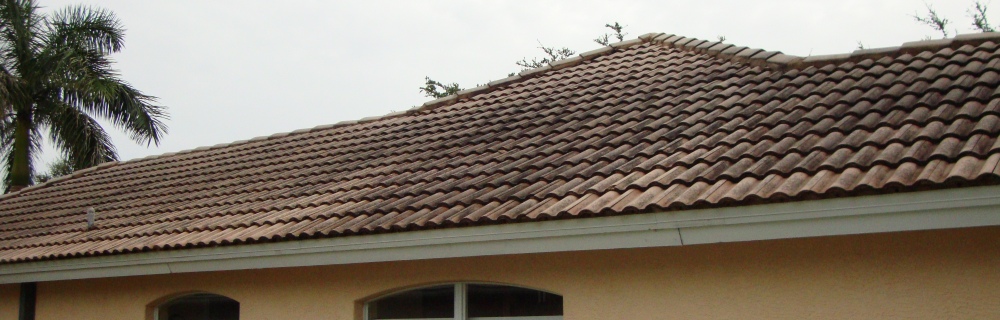
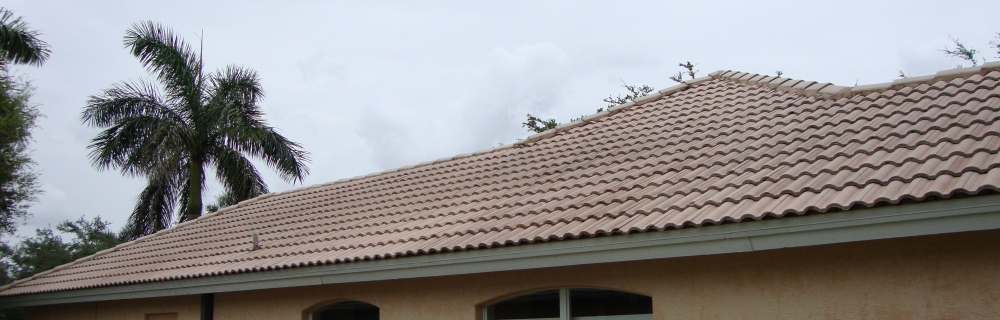


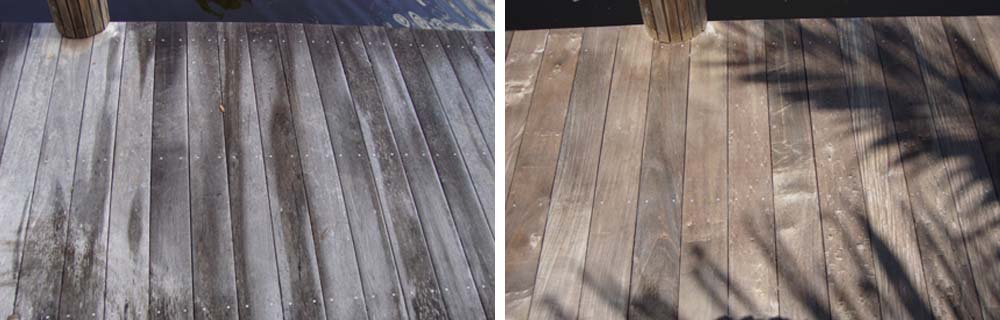


Exterior hard surfaces such as brick, concrete, and limestone are essential components of both residential and commercial properties. They define structural integrity, aesthetic appeal, and even property value. However, over time, these surfaces accumulate dirt, algae, mold, mildew, pollution residue, and stains that degrade their appearance and durability. Professional pressure cleaning services have emerged as a highly effective solution to restore these materials, combining advanced equipment, specialized techniques, and surface-specific expertise.
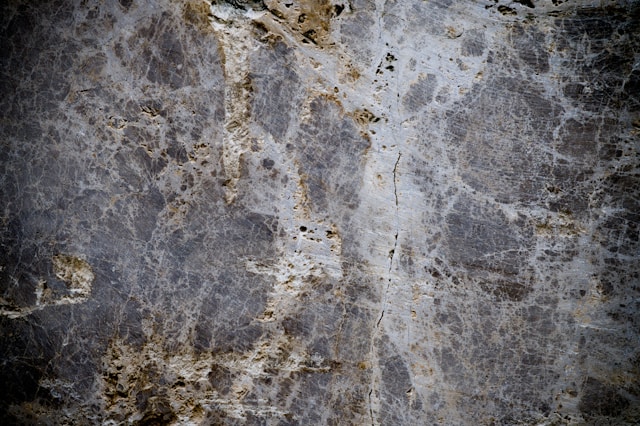
This research explores how professional pressure cleaning works, why it is superior to DIY methods, and how it safely and effectively restores brick, concrete, and limestone surfaces without causing damage.
Understanding Pressure Cleaning: More Than Just High-Pressure Water
At its core, pressure cleaning (also known as power washing) uses high-pressure water spray to remove contaminants from surfaces. However, professional services go far beyond simply blasting water. They carefully calibrate pressure levels, water temperature, and cleaning agents based on the surface material.
There are two primary approaches:
- High-pressure cleaning: Ideal for durable surfaces like concrete.
- Soft washing: Uses lower pressure combined with chemical treatments, suitable for delicate materials like limestone.
Professionals assess surface porosity, age, condition, and contamination type before selecting the appropriate method. This tailored approach ensures effective cleaning without erosion or structural damage.
Why Brick, Concrete, and Limestone Require Specialized Cleaning
Each material has unique physical and chemical properties:
- Brick: Porous and prone to absorbing moisture, leading to mold and efflorescence.
- Concrete: Durable but susceptible to oil stains, tire marks, and surface discoloration.
- Limestone: Softer and more sensitive to acidic cleaners and high pressure.
Improper cleaning methods can lead to:
- Surface pitting
- Cracking
- Loss of natural color
- Structural weakening
Professional pressure cleaning services mitigate these risks through expertise and precision.
The Restoration Process for Each Surface Type
1. Brick Surface Restoration
Brick surfaces often accumulate:
- Dirt and dust
- Mold and mildew
- White mineral deposits (efflorescence)
Professional Process:
- Inspection: Identifying damaged mortar or fragile bricks.
- Pre-treatment: Application of eco-friendly cleaning solutions to break down contaminants.
- Controlled pressure washing: Moderate pressure to avoid mortar damage.
- Rinsing and neutralization: Ensuring no chemical residue remains.
Key Outcome: Restored color vibrancy and removal of biological growth without compromising structural integrity.
2. Concrete Surface Restoration
Concrete is commonly found in:
- Driveways
- Sidewalks
- Parking areas
- Patios
Common issues include oil stains, grease, algae, and embedded dirt.
Professional Process:
- Degreasing: Application of industrial-grade cleaners for oil and grease removal.
- Hot water pressure washing: Heated water improves stain breakdown.
- Surface agitation: Using rotary surface cleaners for even results.
- Post-treatment sealing (optional): Protects against future staining.
Key Outcome: A clean, uniform surface that looks nearly new and is safer due to reduced slip hazards.
3. Limestone Surface Restoration
Limestone is often used in:
- Facades
- Decorative features
- Walkways
It is highly sensitive due to its calcium-based composition.
Professional Process:
- Gentle assessment: Identifying areas vulnerable to erosion.
- Soft washing technique: Low pressure combined with specialized, non-acidic cleaners.
- Algae and mold treatment: Eliminating organic growth without damaging stone.
- Careful rinsing: Preventing water intrusion into the stone.
Key Outcome: Clean, preserved limestone with its natural texture and color intact.
Comparison of Cleaning Methods by Surface Type
| Surface Type | Recommended Method | Pressure Level | Cleaning Agents Used | Risk Level if DIY | Professional Advantage |
|---|---|---|---|---|---|
| Brick | Moderate Pressure Wash | Medium | Mild detergents | High | Prevents mortar damage |
| Concrete | High-Pressure + Hot Water | High | Degreasers, stain removers | Medium | Deep stain removal |
| Limestone | Soft Washing | Low | Non-acidic specialized cleaners | Very High | Avoids surface erosion |
The Role of Professional Equipment
Professional pressure cleaning services use commercial-grade equipment that significantly outperforms consumer-level machines. These include:
- High PSI (pounds per square inch) systems for tough surfaces
- Hot water units for grease and oil breakdown
- Surface cleaners for consistent, streak-free results
- Chemical injection systems for precise application
This equipment allows professionals to clean more efficiently while minimizing water usage and environmental impact.
Environmental and Safety Considerations
Professional services also prioritize environmental responsibility and safety. This includes:
- Using biodegradable cleaning solutions
- Controlling wastewater runoff
- Preventing damage to surrounding plants and landscaping
- Ensuring operator safety through proper handling of equipment
DIY cleaning often overlooks these aspects, potentially causing environmental harm or personal injury.
Common Contaminants and How They Are Removed
Different surfaces accumulate different types of contaminants:
- Algae and mold: Removed using biocides and soft washing
- Oil and grease: Broken down with degreasers and hot water
- Rust stains: Treated with specialized rust removers
- Efflorescence: Eliminated using mineral-dissolving cleaners
Professionals understand the chemistry behind these contaminants and apply the correct treatment for each.
Benefits of Professional Pressure Cleaning
1. Enhanced Curb Appeal
Clean surfaces dramatically improve the visual appearance of a property. Brick regains its warm tones, concrete looks fresh, and limestone appears elegant and refined.
2. Increased Longevity of Materials
Removing harmful substances like mold and pollutants prevents long-term deterioration, extending the lifespan of surfaces.
3. Improved Health and Safety
Eliminating mold, mildew, and algae reduces health risks and prevents slippery surfaces.
4. Time and Cost Efficiency
While DIY methods may seem cheaper initially, improper cleaning can lead to costly repairs. Professional services deliver faster and more reliable results.
Why DIY Pressure Cleaning Falls Short
Many property owners attempt pressure cleaning using rented or consumer-grade equipment. However, this approach often leads to:
- Uneven cleaning results
- Surface damage from excessive pressure
- Incomplete stain removal
- Lack of proper chemical usage
Without proper training, it is easy to underestimate the force of pressurized water or misuse cleaning agents, especially on delicate surfaces like limestone.
Preventative Maintenance Strategies
After professional cleaning, maintaining surfaces is key to preserving results. Recommended strategies include:
- Regular sweeping and rinsing
- Sealing concrete surfaces
- Scheduling annual or semi-annual professional cleanings
- Addressing stains immediately before they set
These practices help reduce the frequency and intensity of deep cleaning.
Industry Trends in Pressure Cleaning
Modern pressure cleaning services are evolving with new technologies and methods, such as:
- Eco-friendly cleaning solutions
- Water reclamation systems
- Low-pressure, high-efficiency techniques
- Automation and surface mapping tools
These innovations improve both effectiveness and sustainability, making professional cleaning more advanced than ever.
Conclusion
Professional pressure cleaning services play a critical role in restoring and maintaining brick, concrete, and limestone surfaces. By combining technical expertise, specialized equipment, and material-specific techniques, these services deliver results that far exceed DIY efforts.
Each surface requires a unique approach, moderate pressure for brick, high-pressure and heat for concrete, and delicate soft washing for limestone. When handled correctly, pressure cleaning not only revitalizes appearance but also protects structural integrity and extends the lifespan of materials.
Ultimately, investing in professional pressure cleaning is not just about aesthetics, it is a practical, long-term solution for property preservation, safety, and value enhancement.
